
製造の信頼性
品質を高めることで
With Optimas, industrial manufacturers can access an IATF- and ISO-certified quality management system that scales with evolving requirements. Our zero-defect culture, supported by the disciplined use of Quality Core Tools, ensures fastener performance—from concept through full lifecycle. Rigorous supplier qualification and ongoing performance management, combined with continuous improvement initiatives, reduce risk and protect production continuity.
Optimas の顧客成功指標

オプティマスは、世界中の数千のメーカーに 5 億個を超えるファスナーを供給しています。
1 PPM 未満の品質基準を維持しています。
– 購買担当副社長、パワートレイン OEM

品質はどのように数値化されますか?
これらの Optimas リソースが役に立ちます


品質保証
製造業:
必要なこと
PPAP について知る
プロセス




品質への影響はどこに見られますか?
これらの Optimas リソースが役に立ちます

大きなQと小さな「Q」
品質:それは何ですか?
あなたにとっての違いは何ですか?

先進的な製品
品質企画
キャタピラを改善する
製品の信頼性

本当に必要ですか
PPAP?


品質とはどのようなものですか?
これらの Optimas リソースが役に立ちます



最適化された生産
行の結果
効率の向上

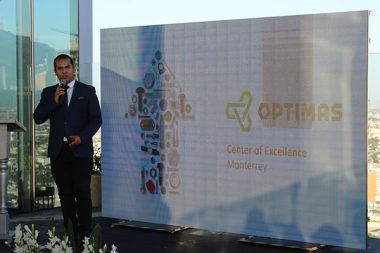
オプティマス ソリューション
to Open Center
of Excellence in
メキシコ州モンテレー
認定された優れた品質
Optimas uses advanced inspection, measurement and testing technologies—in multiple labs—to ensure part quality and performance. Our production, distribution and lab facilities adhere to the most rigorous standards, including:
社内の試験および検査能力
- 次元分析
- 冶金分析
- ケースの深さ
- 微小硬度の検証
- 化学分析
- 性能試験
- コーティング/メッキの厚さ
- ピッチ直径 - ゴー/ノーゴー
- 座標測定
- ピッチ直径 - 可変
- 脱炭
- 原材料の検証
- 障害調査
- 分光法
- 摩擦係数
- 表面の完全性
- 硬度の検証
- 抗張力
- 水素脆化試験
- スレッドラップ
- 表面粗さ
- トルクテンション
- ショア硬さ試験 — A&D

あらゆる段階で品質を保証
With deep expertise in fastening solutions and secondary processes, our application, manufacturing and industrial engineers can work with you to address a broad range of customer, industry and regulatory-specific requirements.

グローバルPPAP
中核的研究拠点
Our Production Part Approval Process (PPAP) and Global Centers of Excellence elevate validation and standardization—keeping inventory, timelines, and costs under control and supporting annual performance targets.

徹底したリスク管理
Advanced Product Quality Planning (APQP), Failure Mode and Effects Analysis (FMEA), and other Quality Core Tools systematically identify and mitigate product and process risks ensuring consistent, reliable production.

リーンシックス
シグマプログラム
Experience manufacturing experts apply globally recognized best practices—including Quality Core Tools and Lean Six Sigma—to support consistent quality, scalable production and on-time delivery.
よくある質問


 日本語
日本語  English
  Español de México
  Español
  简体中文
简体中文  香港中文
香港中文  Français
  Türkçe
  Deutsch
  Italiano
  English (UK)
  Français du Canada